Fire Science & EMT

#
Respond when it matters most
Program Options
CCC offers two distinct but connected areas of study within emergency services. Many students begin with EMT and build toward Paramedic or Fire Science credentials over time.
Emergency Medical Services
- Basic EMS Certificate (EMT) – 8 credits
- Advanced EMS Certificate (Paramedic) – 45 credits
- Associate of Applied Science in Paramedic Studies
Fire Science
Looking for the High Country Training Academy? Head over to the HCTA page for everything you need.
What can I do with this?
EMS and Fire Science careers offer stable employment, strong community need, and the chance to make a real difference in people’s lives.
EMT career options include:
- Emergency Medical Technician (ambulance and emergency response)
- Emergency Department Technician
- Fire Department (entry level)
- Ski Patrol
- River Guide or Wilderness Responder
- Event Medical Coverage
- Park Service
Paramedic career options add:
- Flight Paramedic
- Critical Care Paramedic
- Advanced emergency and trauma response roles
Fire Science career options include:
- Firefighter I and II
- Hazardous Materials Responder
- Wildland Firefighter
- Emergency Scene Management
- Fire Prevention and Investigation
Career options vary based on certification, hiring agency requirements, and additional experience.
What Will I Learn?
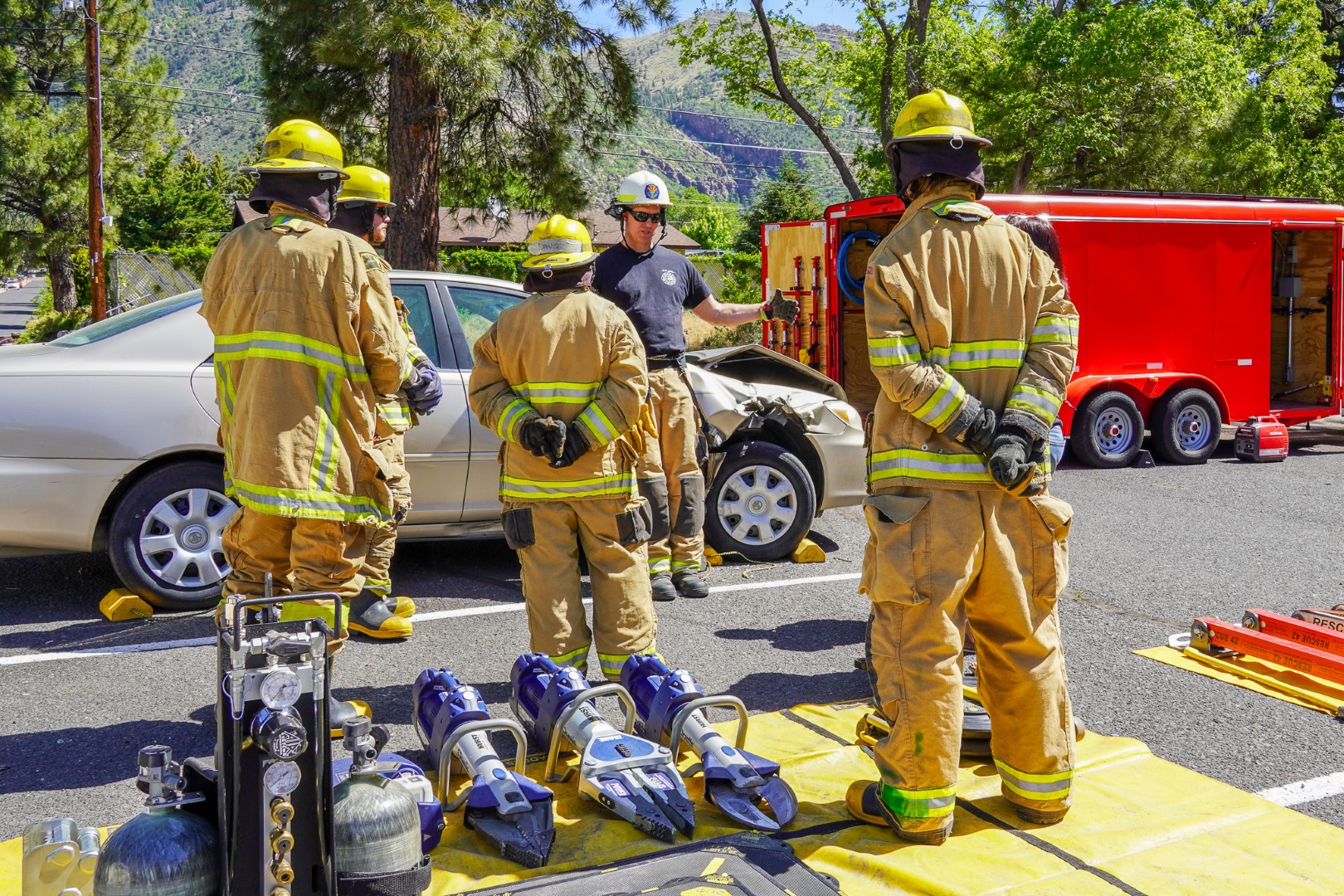
EMS and Fire Science programs at CCC combine classroom instruction with hands-on training that reflects the real demands of emergency services work. Depending on your program, you will develop skills in:
- Emergency patient assessment and care
- Airway management and life-saving interventions
- Trauma, medical, and cardiac emergency response
- Firefighting techniques, tactics, and safety
- Hazardous materials awareness and operations
- Wildland and structural firefighting
- Emergency scene management and incident command
- Documentation, communication, and professional practice

Program at a Glance
- Length of Program: 2 Years (full time)
- Location: Fourth Street Campus
- Course Delivery: In-Person and Online Classes
- Transferrability: Limited Transfer Options
- Financial Aid Eligible
- Military/Veteran Benefits Available
- Connect with job and internship opportunities
- Stackable Certificates
Transfer Options
EMS and Fire Science certificates and degrees are designed to move you directly into the field, not toward a four-year university. Transfer options are extremely limited. If you have questions about how these programs fit your long-term goals, speak with an academic advisor before enrolling.
Program Standards & Recognition
CCC’s EMS programs are approved by the Arizona Department of Health Services and validated by the National Registry of Emergency Medical Technicians (NREMT).
The Paramedic program is accredited through the Committee on Accreditation of Educational Programs for the Emergency Medical Services Professions (CoAEMSP).
The Fire Science program is accredited through the International Fire Service Accreditation Congress (IFSAC).
Frequently Asked Questions
- What is the difference between an EMT and a Paramedic?Both EMTs and Paramedics provide emergency medical care, but the level of training and scope of practice are very different. The EMT program is approximately 150 hours and covers foundational emergency care skills. The Paramedic program is approximately 1,500 hours and includes advanced clinical training through didactic coursework, emergency department and ICU rotations, pediatric clinical hours, and field internships. Paramedic certification requires current EMT certification as a prerequisite.
- Do I need to be certified as an EMT before I can become a Paramedic?
Yes. Active EMT certification is required before you can apply to or enroll in the Paramedic program.
- Is EMT training required for the Fire Science degree?Yes. EMS 131, the Emergency Medical Technician course, is a required core component of the Fire Science AAS degree and Intermediate Certificate. Most fire departments expect entry-level firefighters to hold EMT certification, so completing both programs together is the recommended pathway into the fire service.
- Do I need to be a firefighter to enroll in Fire Science courses?
No. Fire Science courses are open to anyone interested in pursuing a career in structural or wildland firefighting, emergency services, or fire prevention. Some students take individual courses to build skills or complete recertification, while others pursue a full certificate or degree.
Meet your Faculty:

Next Steps:
- Apply for free
- Find ways to pay for college
- Meet with your Advisor
- Enroll in classes